 HOME
HOMEKidney Infection in Dogs


Kidney Infection in Dogs: The Silent Threat
Understanding Pyelonephritis and Protecting Your Loyal Companion
Kidney infection, medically known as pyelonephritis, is a serious and potentially life-threatening condition in dogs that requires immediate veterinary attention. Unlike simple urinary tract infections, a kidney infection affects the upper urinary system, potentially causing permanent renal damage if left untreated. Understanding the mechanics of this disease is crucial for every pet owner who wishes to ensure longevity for their companion.
Reasons for Infection
The primary reason for kidney infection in dogs is the ascent of bacteria from the lower urinary tract. Most commonly, bacteria such as E. coli or Staphylococcus, which are naturally present in the environment or on the dog's skin, migrate up the urethra into the bladder. From there, if the dog's immune defenses are compromised, the bacteria can travel up the ureters and colonize the kidneys.
Several factors can increase a dog's susceptibility to this migration. Kidney stones (nephrolithiasis) are a major culprit; they can damage the delicate lining of the kidney or cause blockages that trap urine, creating a stagnant breeding ground for bacteria. Additionally, congenital abnormalities, such as ectopic ureters, can prevent normal urine flow, making infections more likely.

Systemic diseases also play a significant role. Dogs with Diabetes mellitus or Cushing’s disease are at higher risk because these conditions can weaken the immune system and dilute the urine, reducing its natural antibacterial properties. Furthermore, severe dental disease can sometimes lead to bacteria entering the bloodstream and settling in the kidneys, a process known as hematogenous spread.
A growing modern hazard involves the ingestion of foreign, synthetic objects. Dogs, being natural scavengers, may consume items such as plastics, used human masks, or discarded diapers. Ingesting these synthetics can be catastrophic. Not only do they cause physical blockages that stress the renal system, but items like used diapers or masks are also heavily laden with bacteria and toxins. Once ingested, these pathogens can enter the bloodstream through the gut wall or cause severe systemic inflammation, eventually overwhelming the kidneys and leading to acute infection or renal failure.
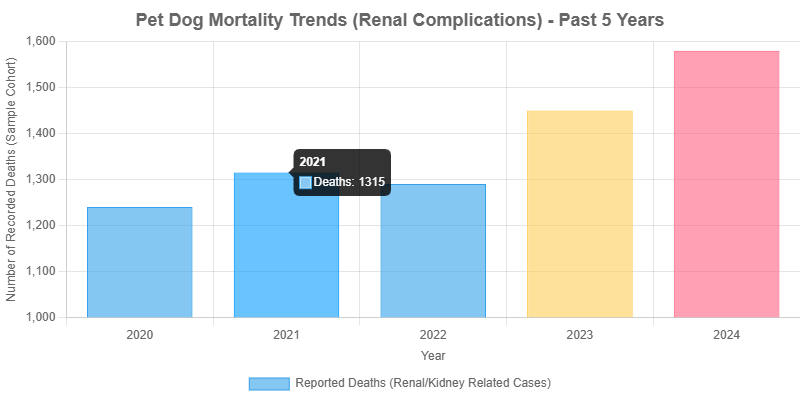
Fig 1. Representative trend of pet dog mortality cases attributed to renal complications (2020-2024) in a sample veterinary population.
Conclusion
Dogs are the loveliest and most friendly creatures, offering us unconditional love and companionship. However, they rely entirely on us for their well-being. It is our duty to provide them with proper care, regular veterinary check-ups, and immediate management of any health issues. By staying vigilant, we can ensure our furry friends live happy, healthy lives by our sides.
Related Posts

08 Dec, 2025
Kidney Infection in Dogs
The Silent Threat: Understanding Pyelonephritis and Protecti...